


Tracking NBME Knowledge Gaps Over Time

As an MD/PhD student, I am often thinking about data. What are the trends? Are there differences between my groups? How am I going to graph this? Any solid biostatistician will tell you that making something “meaningful” out of data requires three things: a sufficiently large dataset, reliable outputs, and...
Is 1:1 Tutoring Worth It? A Big-Picture Look for Medical Students

Most medical students don’t start their exam preparation thinking about whether they should get a tutor. In fact, many are confident they can handle things on their own. They’ve made it this far by studying independently, after all. They’ve passed numerous exams and evaluations. They know how to grind through...
COMLEX vs. USMLE: Which Exam Should You Prioritize?
For osteopathic (DO) medical students, one of the biggest decisions during preclinical and clinical training is not just what specialty to pursue or where to apply for residency - but now, it is whether to take the USMLE in addition to the COMLEX. While it was much more common...
How to Use the Step 2 CK Clinical Reasoning Framework to Excel on Clinical Rotations and the Exam

Clinical reasoning is the skill that connects your clerkship experiences with Step 2 CK performance. Whether you are interpreting a long exam vignette or assessing a new patient on rounds, you must be able to identify what matters, filter out noise, and make safe, efficient decisions. We have worked...
What’s a “Good” MCAT Score for You? A Strategic Breakdown by Goals

Question Quick Answer Why It Matters What’s the MCAT score range? 472–528 (4 sections, each 118–132). Knowing the scale helps you set realistic goals. Average is ~500 (50th percentile). What do accepted students actually score? MD: ~511–512DO: ~504–505 Top-tier (Harvard, Hopkins, Stanford): 517+ These benchmarks give you a sense...
COMLEX Level 1 Tutoring: Enhancing Your Understanding and Performance

Preparing for the COMLEX Level 1 is one of the biggest milestones in the journey of becoming a physician of osteopathic medicine. For many students, this exam represents the culmination of two years of intensive didactic medical school coursework, and it serves as the foundation for residency applications and future...
Top Resources for COMLEX Level 1 and 2: What to Use and When

Preparing for the COMLEX exams is one of the defining challenges of osteopathic medical school. Whether you’re gearing up for Level 1 at the end of your preclinical years or tackling Level 2 CE during clinical rotations, the right resources—and a clear plan for how to use them—can make the...
How to Prep for USMLE Step 1: 5 Study Tips That Work
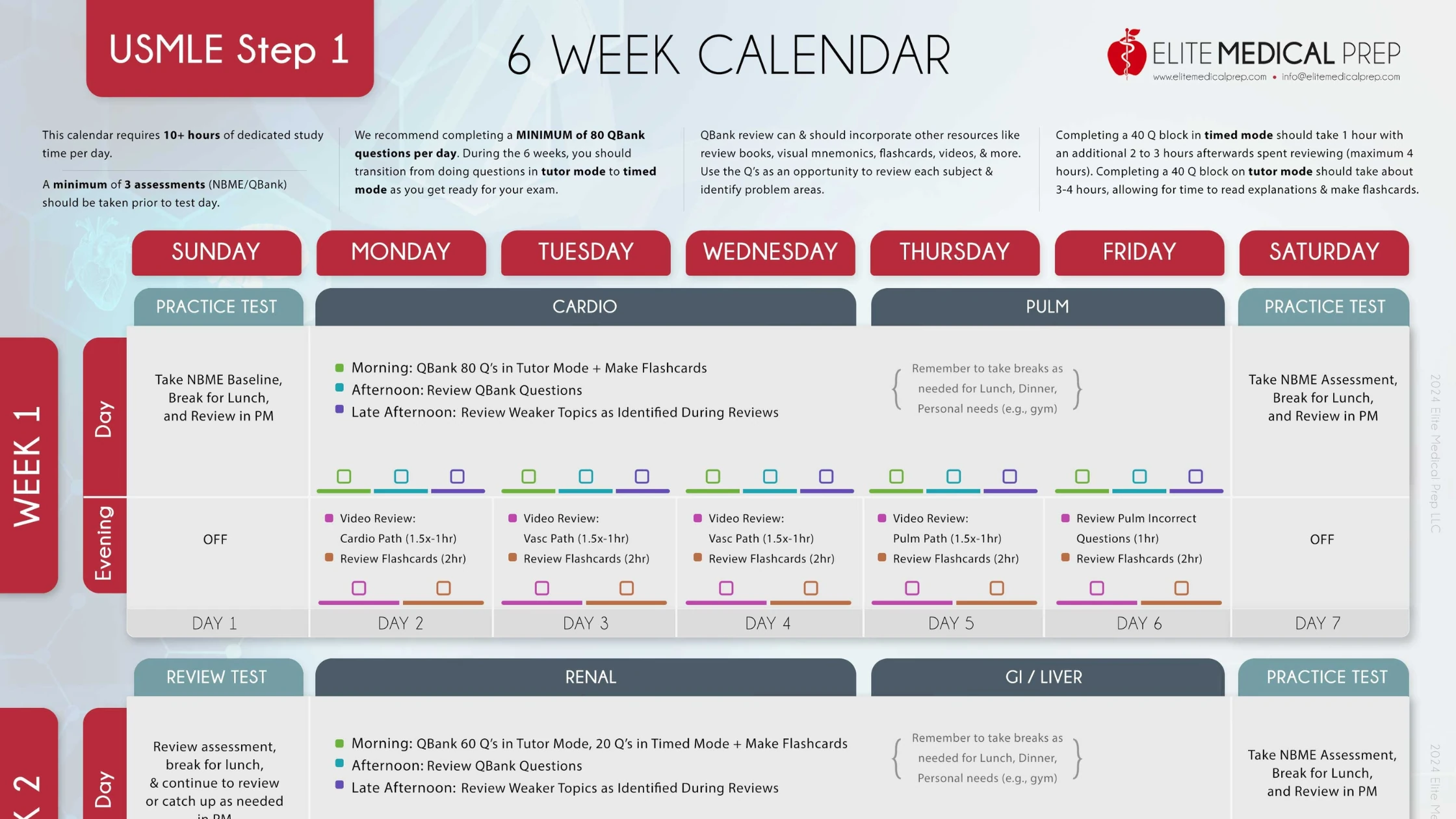
Deciding how to study for Step 1 can be a daunting task. There are so many educational resources to choose from, and so much conflicting advice on the internet and from other…
TrueLearn Review: SmartBanks for COMLEX Level 1 and 2 CE

One of the hardest decisions that all medical students face involves picking the resources to help them succeed on their board exams. To provide you the best and most accurate advice, we have our tutors personally utilize the services we review. In this blog post, we will share our impressions of TrueLearn’s SmartBanks for COMLEX Level 1 and COMLEX Level 2 CE.
NBME Form 33 Review: Step 1’s New Emphasis on Experimental Thinking and Real-World Logic

TL;DR Form 33 feels less like a content exam and more like a reasoning challenge. Expect experiments, mechanisms, and figure interpretation woven into nearly every block. The question style now mirrors real-world medical reasoning - integrating physiology, pharmacology, and behavior rather than isolating them. Use Form 33 as your final...